Our valley
Nine miles, from the heather to the harbour
One ridge, one river and one harbour, and eight people who work them. Everything on the shelf comes from somewhere on this page.
The map
Heather ridge
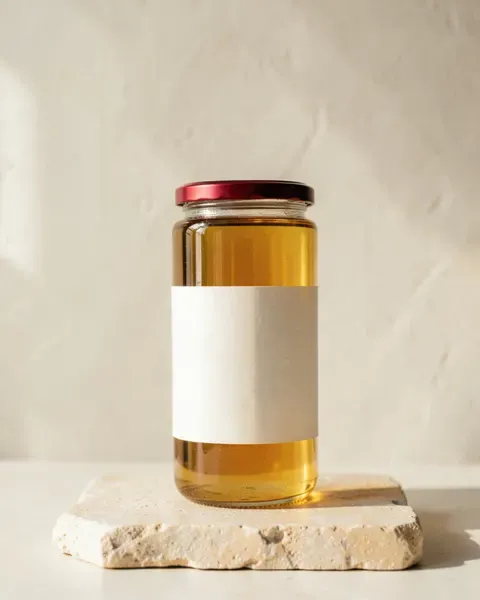
Late heather, dark honey.
Lower terraces
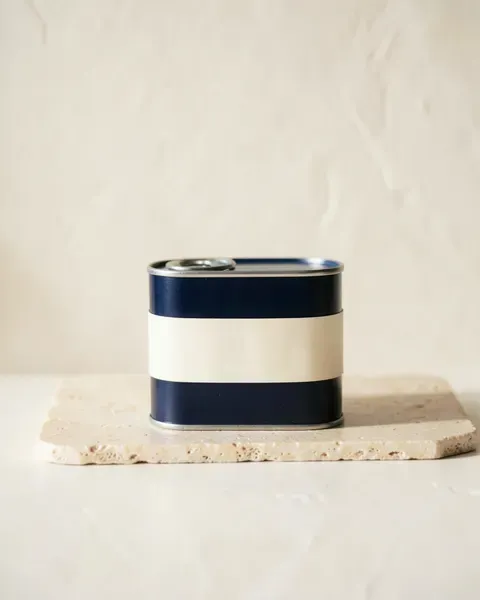
Olives, and the hives for the spring honey.
The co-op mill
One press for the whole valley.
The kitchen
Tom’s pans, in the old dairy at Hollin.
The lanes
Elderflower, mint and bramble leaf.
North flats
Six pans, raked on dry July days.
The harbour
Port Ness, where the line boats land.
The story
Two of us cook and press. Six grow the rest.
Ines grew up on the lower terraces and came back to them in 2016, when the walls were falling in and half the trees had not been picked for a decade. She mended the walls first. The next autumn she pressed a few hundred bottles of oil at the co-op mill, and Tom, who had cooked in town for years, came to help carry them and stayed to make marmalade in the old dairy at Hollin.
That was 2017. Nothing about it has been planned since. Pell put his hives between the terraces and the heather because the bees found it first. Anselm was already raking salt on the North flats when we asked him for a few kilos. Dunya fishes out of Port Ness and brings the mackerel to the kitchen the same evening, still stiff.
We buy from people we can walk to, we pay when the goods arrive, and every label carries the day and the hillside it came from. That is the whole idea, and it only works while the valley stays this small.
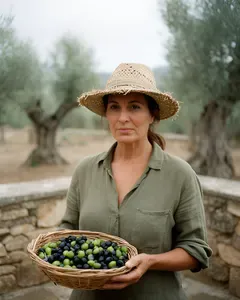
You cannot hurry an olive, but you can lose one in an afternoon. So when the fruit is ready, everybody in the valley drops what they are doing.
The growers
Six people we can walk to
They work their own land and their own boats, and sell us what they would be proud to eat. Their place is on the label.
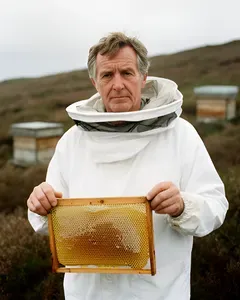
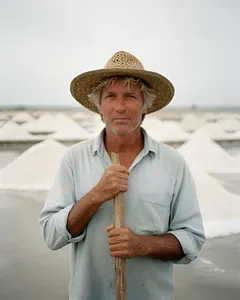
Pell Marsh
Beekeeper, heather ridge
Forty hives between the terraces and the heather.
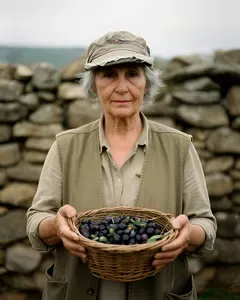
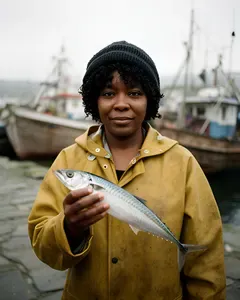
Marta Quill
Olive grower, lower terraces
Two hundred trees on the upper terraces.
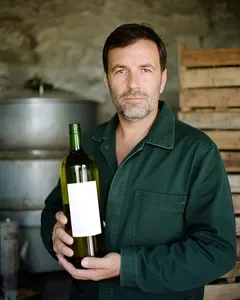
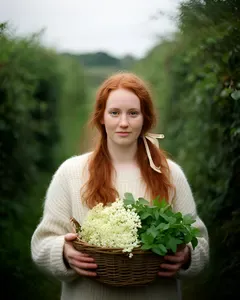
Jory Bell
Runs the co-op mill, the co-op mill
The press that takes everyone’s olives.
The year
What the valley gives, month by month
Nothing here is stored up and sold later. A product is on the shelf in the weeks after its date, and the months in between are for the work.
January
Pruning the olive trees
February
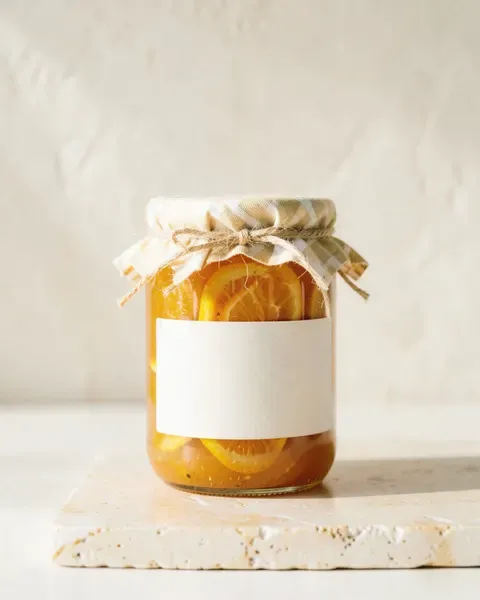
Bitter lemons, in the pans
March
Repairing the terrace walls
April
The hives wake up
May
First honey of the year
June
Lines out, leaves in the lanes
July
Raking the flats on dry days
August
Chillies all at once
September
Heather honey, on the ridge
October
Picking begins on the terraces
November
The co-op mill runs all night
December
Bottling, and a rest